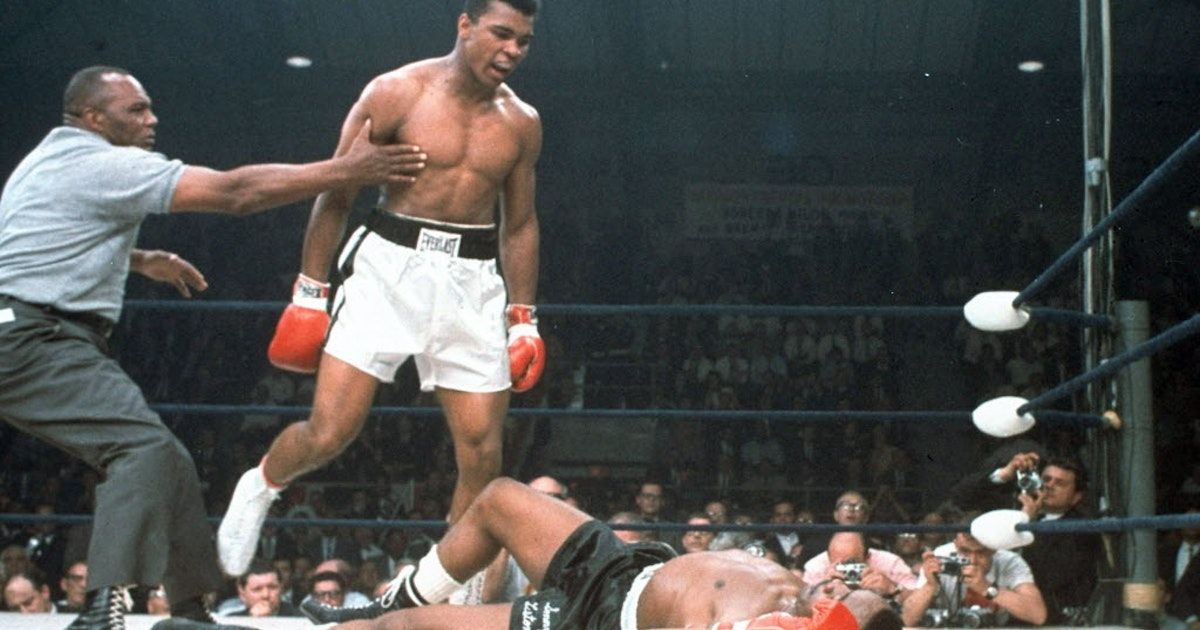
"Ali came along at time when —he was about the same age as Emmett Till — black people were not supposed to speak up, speak out, and cause trouble and confront white people," Eig says. "He decided that he could do that, [that] he could get away with it. Dick Gregory said to me, 'You've got to figure out what made a young, black kid think he could get away with that and not get killed. ... To write a biography of the man, you better figure that out.'"
And did he?
"I think I did," said Eig, who has written for The Wall Street Journal and New York Times, and once covered Plano and the Dallas Independent School District for The Dallas Morning News. "One thing is that he just absolutely loved attention. He needed to be the center of the public eye, and he didn't care how he got there. ... A lot of different pieces go into this psychologically but ... boxing gave him this platform to speak out, gave him a tool that he could use to fight back against what society expected of him. And not everybody used that. Joe Louis didn't. Almost no black athletes did at the time. They were just happy to be accepted."
Eig says he was surprised by much of what he discovered. "Despite his enormous ego, in certain ways he was really humble," he explained. "He was incredibly compassionate and kind to even strangers. At the same time, he was not very good to his wives or to his children at times.
"I was surprised to see how badly he blew through his money during his career. ... And I was surprised to see just how early that boxing started to take a toll on his cognitive abilities. I was really shocked to see that even in the early '70s, he was already showing signs of damage from all those punches."
https://www.dallasnews.com/arts/books/2017/10/01/ali-life-much-boxing-tale-dallas-bound-jonathan-eig-faced-challenge
0 komentar:
Posting Komentar